How to Clean Outdoor Resin Chairs Without Dulling the Finish
Outdoor resin chairs are popular because they handle sun, rain, pool splashes, and busy patios with little fuss. Still, dirt, sunscreen, pollen, and beverage spills can leave a chair looking tired. The safest cleaning approach is gentle: loosen grime, lift it away with mild solutions, and rinse before it settles into texture or joints. Harsh tools and strong chemicals may remove a stain, but they can also scuff the surface or leave the finish looking uneven.
Before starting, check the chair in good light. Resin can have a smooth finish, a lightly textured finish, or woven-looking details that trap dirt. Dark marks around legs, seat edges, and armrests may be ordinary soil, or they may be rubbing marks from feet, planters, or adjacent furniture. Knowing what is on the surface helps avoid over-cleaning. If a chair has cracks, loose fittings, or damaged parts, treat those areas carefully and look for replacement parts rather than trying to scrub a structural problem away.
Clear the area and do a dry pass
Move loose cushions, trays, and nearby decor out of the way. Set the chairs on a stable surface where water can drain. If possible, work in shade or on a cool, overcast day, since strong sun can dry soap faster than it can be rinsed away. Heat also makes some residues harder to control.
Use a soft brush, a microfiber cloth, or a hand broom to remove loose dust, leaves, and grit. Pay attention to the spaces under the seat, around the leg sockets, and along any slats or grooves. Grit is the main thing to watch here. If it remains on the chair, a wet cloth can drag it across the finish and create fine scratches. A light dry pass first does more for the surface than aggressive scrubbing later.
Use mild soap, not a strong cleaner
Fill a bucket with lukewarm water and add a small amount of mild soap. Dish soap is often enough for everyday dirt. The goal is to break the bond between grime and resin, not to strip the chair with solvent-style products. Avoid bleach, oven cleaner, degreasers, abrasive powders, and paint thinner unless the chair maker specifically allows them for a particular mark. These can discolor plastic, dry out certain components, or leave a shine that looks patchy.
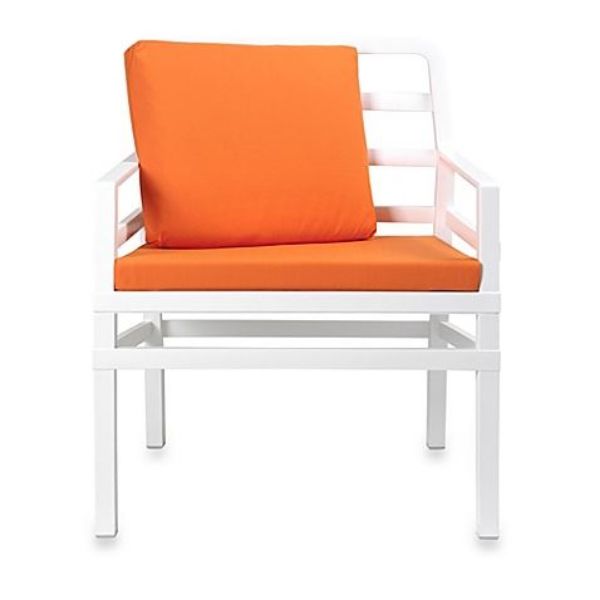
Dip a soft cloth or sponge into the soapy water, then wring it out so it is damp rather than dripping. Wipe one section at a time, working from the top down. This keeps dirty water from running over areas that have already been cleaned. Use light pressure and let the soap do the work. On textured resin, a soft brush with gentle circular motions can lift dirt from the grain, but the bristles should flex under the hand. A brush that feels stiff on a fingernail is usually too firm for the finish.
For easy care patio furniture, regular wiping is usually more effective than occasional heavy cleaning. A quick pass after a dusty week prevents buildup from becoming embedded. When a stain needs extra attention, dampen the spot and let the soapy water sit briefly, then wipe again. Do not let soap dry into the surface. If a mark lifts slowly, repeat the process instead of increasing force.
Rinse thoroughly and control runoff
Rinse with clean water from a hose using a gentle stream. Work from the top so runoff carries soap downward and off the chair. Check seams, underside edges, and the area where legs meet the seat, since soap often collects there. Residue left behind can attract dirt and may make the finish look cloudy once dry.
Watch the water as it leaves the chair. If it runs clear and there is no slippery feel, the soap is likely gone. If the surface still feels slick, rinse again. A light wipe with a clean damp cloth can help in areas where a strong jet would push water into crevices. Avoid aiming a high-pressure stream at close range, especially around joints, fasteners, or decorative details. Pressure can force water into places that were meant to drain freely.
After rinsing, stand the chairs upright in a shaded, airy spot. Towel-dry the flat areas if the chairs need to be used soon, but allow hidden areas to air-dry. Moisture buildup in stacked chairs can leave damp marks, encourage mildew on nearby fabric, or create musty smells. When chairs are stacked, make sure each one is dry first and that the stacking capacity is not exceeded. Weight pressed into a wet stack can stress frames and trap water where it is hard to remove.
Deal with marks without scrubbing the finish away
Some marks need a more targeted approach. Sunscreen and skin oils often respond to mild soap and warm water. Tree sap or sticky drink residue may soften with a damp cloth held over the spot for a short while. Rust-colored marks can come from metal objects left outdoors, not from the resin itself. Once the source is removed, gentle cleaning may reduce the stain, though discoloration that has soaked in may not fully disappear.

Use a white cloth for wiping, especially on light-colored chairs. Colored cloths can transfer dye onto resin, which creates a new problem. Test any cleaning method on a hidden area first, such as the underside of the seat. Even gentle products can affect finishes differently, and a small test spot is easier to manage than a visible patch.
For scuff marks from shoes or furniture feet, start with a damp cloth and mild soap. A white rubber eraser can sometimes lift a surface mark, but it should be used lightly and only on smooth resin. If rubbing feels like it is heating or polishing the area, stop. The aim is to lift the mark, not make one spot shinier than the rest. Deep scratches are different. They may be part of the material surface rather than something sitting on it, so cleaning will not repair them.
Easy care patio furniture still needs sensible handling around pools and gardens. Chlorinated or salty water can leave deposits, and fertilizer overspray can mark some surfaces. When chairs regularly sit near a pool or lawn edge, rinse them more often with plain water. Keeping the surface clear reduces the need for stronger cleaning later.
Protect the finish after cleaning
Once the chairs are dry, inspect them again. Look for rough spots, looseness, or small defects that could catch dirt. If a chair has a damaged foot, cap, or fitting, replacing that component is usually better than living with a wobble that causes rubbing. Replacement parts can help extend the useful life of outdoor furniture when the main chair body is still sound. Check the chair design and part shape before ordering anything, since similar-looking pieces are not always interchangeable.
UV exposure is another finish concern. Resin is made for outdoor use, but long-term sun can fade color and make surfaces look dull. Rotate chairs occasionally if some sit in full sun while others stay shaded. Use protective covers during long wet spells or winter storage, but make sure the chairs are dry before covering them. A cover over damp furniture can hold moisture against the surface and leave marks.
Store chairs in a clean, dry place when the season ends. Avoid placing heavy items on top, and keep stacked chairs stable. If space is tight, a small gap between stacks allows air to move. In winter storage, a cool, dry area is preferable to a damp garage corner or a spot where temperature swings cause condensation.
A simple routine that keeps chairs looking even
The best cleaning routine is one that is mild, repeatable, and easy to adjust. Dry-brush loose grit, wipe with mild soap, rinse well, and dry before stacking or covering. Watch for residue, trapped moisture, and rough contact points. Those small details protect the finish far better than a harsh cleaner used too late.
If a chair has a broken component, do not keep cleaning around the problem. A loose or missing part can cause rubbing, instability, or further damage. Check for replacement parts that match the chair model, then clean the surrounding area before fitting the new piece. With steady care, resin chairs can stay neat through regular patio use, poolside afternoons, garden gatherings, and commercial settings without losing the look that made them practical in the first place.